“quality inspection” search results (700)

Bacteria detected in Yunnan Province exceeded the standard of imported instant coffee
The Yunnan Inspection and Quarantine Bureau learned that estuarine inspection and quarantine personnel recently returned a batch of imported instant coffee that failed to pass the health index test. The returned goods are Central Plains cappuccino instant coffee (Irish cream flavor), the country of origin is Vietnam, a total of 70 pieces weigh 362.88 kg, the value of the goods is 2656.5 US dollars. After examination, it was found that the coliform group and mold exceeded the national standard respectively.
2016-09-14 Yunnan Province detection bacteria exceeding the standard import instant coffee Yunnan Inspection and Quarantine Bureau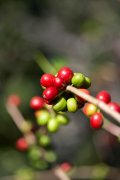
Ethiopian coffee producing area introduces fine coffee Yega Xuefei and Sidamo water washing and sun treatment.
Ethiopia is one of the major producers of Arabica coffee in Africa, producing the best Arabica coffee in the world. It is said that coffee was first discovered by shepherds in Essekafa, and the name of coffee evolved from Kafa, so Ethiopia is still coffee. Ethiopia is an African Arab coffee.
2022-06-28 Ethel Searle Biya Coffee producing area introduction Yega Sheffield Dharma
Manual inspection of raw coffee beans how to identify defective beans from the appearance of raw beans
With reference to the origin and grading, grab the raw beans with your hands and check their appearance. The feeling of the hand is very important. Judging from the appearance of raw beans, their quality must have some experience, at the same time, it is difficult to set standards. The color has no difference in uniform light green, with luster. Also take into account the changes in color after harvest. The shape requires uniform and neat particles, and there should be no deformed beans.
2015-10-14 Coffee beans manual inspection how raw beans appearance identification defects reference origin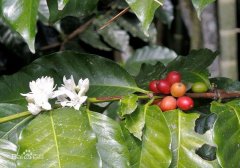
Coffee graded Ethiopian coffee coffee shop
Boutique coffee (specialty coffee) is also called specialty coffee selection coffee. It refers to coffee made from a small number of raw beans with excellent taste grown in an ideal geographical environment. Depending on the special soil and climatic conditions in which they grow, they have outstanding flavor. After strict selection and classification, this kind of coffee is hard in texture, rich in taste and stylish.
2016-06-16 Coffee grading Esso Biya species Coffee Shop boutique speci
Manual inspection of raw coffee beans
With reference to the origin and grading, grab the raw beans with your hands and check their appearance. The feeling of the hand is very important. Judging from the appearance of raw beans, their quality must have some experience, at the same time, it is difficult to set standards. The color has no difference in uniform light green, with luster. Also take into account the changes in color after harvest. The shape requires uniform and neat particles, and there should be no deformed beans.
2014-07-02 Raw coffee beans
The first national coffee product professional testing laboratory set up in Pu'er
AQSIQ approved the establishment of the National Coffee testing key Laboratory (Pu'er) on December 2 through careful examination and acceptance. So far, the only national coffee product professional testing laboratory was born in Pu'er. For a long time, since coffee products have no industry standards, no ministerial standards, and no national standards, the trading parties only rely on samples and purchases.
2014-12-18 The first country coffee products specialty testing laboratory Pu'er established
Manual inspection of raw coffee beans in Coffee Encyclopedia
With reference to the origin and grading, grab the raw beans with your hands and check their appearance. The feeling of the hand is very important. Judging from the appearance of raw beans, their quality must have some experience, at the same time, it is difficult to set standards. The color has no difference in uniform light green, with luster. Also take into account the changes in color after harvest. The shape requires uniform and neat particles, and there should be no deformed beans.
2014-09-19 Coffee encyclopedia raw coffee beans
Characteristics of grinding degree of Ethiopian coffee introduction of high-quality coffee beans
Coffee is Ethiopia's most important export cash crop and the main source of Ethiopia's foreign exchange earnings. Ethiopia's coffee exports account for about 3% of the world market, making it the eighth largest coffee exporter in the world. Coffee exports increased steadily from 58000 tons in 1990 to 110000 tons in 1995-1996 and remained at this level in the following years. 2001-2002
2016-10-10 Ethiopia coffee grinding features processing taste boutique coffee beans introduction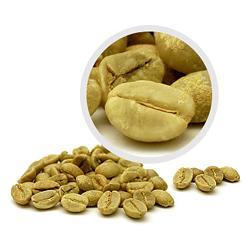
The country's first professional testing laboratory for coffee products has set up Pu'er coffee testing laboratory.
AQSIQ approved the establishment of the National Coffee testing key Laboratory (Pu'er) on December 2 through careful examination and acceptance. So far, the only national coffee product professional testing laboratory was born in Pu'er. For a long time, since coffee products have no industry standards, no ministerial standards, and no national standards, the trading parties only rely on samples and purchases.
2016-02-02 Country first coffee product professional testing laboratory established Pu'er country
Introduction to the planting environment of Ethiopian coffee
Due to different planting methods, coffee can be divided into three types: forest-semi-forest coffee (Forest or semi-forest coffee), courtyard coffee (Garden coffee) and plantation coffee (Plantation coffee). 60% of the coffee belongs to forest-semi-forest coffee. In such a wild coffee forest, pesticides are not used at all, but biological methods are used to control pests. 35%
2016-06-15 Ethiopia coffee planting environment introduction due to different ways
Ethiopian boutique coffee introduces the taste characteristics of Ethiopian coffee Ethiopian coffee
Although the Ethiopian Yirgacheffe coffee is petite, it is gentle and delicate and sweet. As the hometown of coffee, thousands of years of planting history and processing tradition in Ethiopia have created high-quality washed Arabica beans. Light baking has unique sweet aromas of lemon, flowers and honey, soft acidity and citrus flavors, fresh and bright on the palate. Without
2016-03-22 Ethiopia boutique coffee introduction taste characteristics Yega
Jiaxing imported coffee beans for the first time
Recently, the imported coffee beans accepted by Jiaxing Inspection and Quarantine Bureau for the first time have been successfully sold in the domestic market. The total amount of coffee beans is 15.5 tons, with a value of US $173000. The products include Yejia Fichel coffee raw beans, Sidamowoka coffee raw beans, Panamanian emerald, Ilida, Hartman and other manor-grade coffee raw beans, with a total of 16 varieties, which is by far the first in Jiaxing port.
2016-09-27 Jiaxing region first time foreign import coffee beans
Boutique Coffee introduced by Manors in Sidamo Coffee Bean producing area of Ethiopia
Due to different planting methods, coffee can be divided into three types: forest-semi-forest coffee (Forest or semi-forest coffee), courtyard coffee (Garden coffee) and plantation coffee (Plantation coffee). 60% of the coffee belongs to forest-semi-forest coffee. In such a wild coffee forest, pesticides are not used at all, but biological methods are used to control pests. thirty-five
2016-07-01 Ethiopia Dharma coffee beans producing areas manors introductions boutique coffee due to
Ethiopian (mocha) coffee
The geographical environment of Ethiopia is very suitable for coffee growth. Mocha coffee is mainly grown in the southern highlands between 1100 and 2300 meters above sea level. The main coffee producing areas are Harar, Limu, Djimma, Sidamo, Kaffa, Yergacheffe and Wellega.
2016-06-02 Ethiopia mocha coffee geography very suitable
Ethiopian coffee flavor Ethiopian coffee variety Ethiopian coffee brand
Due to different processing methods, coffee can be divided into washed coffee (Washed coffee) and sun-cured coffee (Sun-dried coffee). Washed coffee accounts for 35% of exports. Good quality washed coffee is processed with freshly picked fully ripe fruit, picked carefully and closely monitored by professionals. The clean coffee beans picked up will be pulped on the day of picking.
2016-07-27 Ethiopia coffee flavor variety brand due to processing methods different
Acidity and texture of Ethiopian Yega Sheffivoka Coffee Flavor Manor
Due to different processing methods, coffee can be divided into washed coffee (Washed coffee) and sun-cured coffee (Sun-dried coffee). Washed coffee accounts for 35% of exports. Good quality washed coffee is processed with freshly picked fully ripe fruit, picked carefully and closely monitored by professionals. The clean coffee beans picked up will be pulped on the day of picking.
2016-08-12 Acidity texture Ethiopia Yega Sheffield Waka Coffee Flavor taste
Sun Coffee Ethiopian Coffee introduction Fine Coffee beans Yega Snow Coffee Gediyo Eastern Highland Mountains
Due to different planting methods, coffee can be divided into three types: forest-semi-forest coffee (Forest or semi-forest coffee), courtyard coffee (Garden coffee) and plantation coffee (Plantation coffee). 60% of the coffee belongs to forest-semi-forest coffee. In such a wild coffee forest, pesticides are not used at all, but biological methods are used to control pests. thirty-five
2016-07-06 Sun Coffee Ethiopia introduction Fine goods Coffee beans Yega Snow Coffee Ge
Sun Coffee Ethiopian Coffee introduction Fine Coffee beans Yega Snow Coffee Gediyo Eastern Highland Mountains
Due to different planting methods, coffee can be divided into three types: forest-semi-forest coffee (Forest or semi-forest coffee), courtyard coffee (Garden coffee) and plantation coffee (Plantation coffee). 60% of the coffee belongs to forest-semi-forest coffee. In such a wild coffee forest, pesticides are not used at all, but biological methods are used to control pests. thirty-five
2016-07-06 Sun Coffee Ethiopia introduction Fine goods Coffee beans Yega Snow Coffee Ge
Boutique coffee beans common sense Ethiopian mocha coffee beans
Ethiopia (Ethiopia) is one of the major producers of Arab coffee beans in Africa, producing the best Arab mocha beans in the world. It is said that coffee beans were first discovered by shepherds in the Kafa region of Ethiopia, and the name of coffee evolved from Kafa, so Ethiopia is still the hometown of coffee. Production and processing of coffee beans in Ethiopia
2014-12-28 Boutique coffee beans common sense Ethiopia Mocha Aesop Biya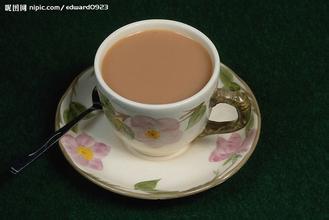
Washed Ethiopian Sidamo coffee beans introduce coffee flavor and taste
Washed coffee accounts for 35% of exports. Good quality washed coffee is processed with freshly picked fully ripe fruit, picked carefully and closely monitored by professionals. The picked clean coffee beans are pulped on the day of picking, then fermented, washed, dried and peeled. The humidity of processed coffee beans is kept at about 12%. Sun-cured coffee accounts for 65% of exports. Mainly by
2016-06-27 Washing Ethiopia Dharma coffee beans introduction coffee flavor taste washing